Nintendo Switch OLED review: The appeal of the handheld screen
A 7-inch OLED panel and a wider kickstand improve portable play. The value depends on how often you leave the console docked.

Research-based review. Our assessment draws on manufacturer documentation and buying considerations.
The upgrade you see in your hands
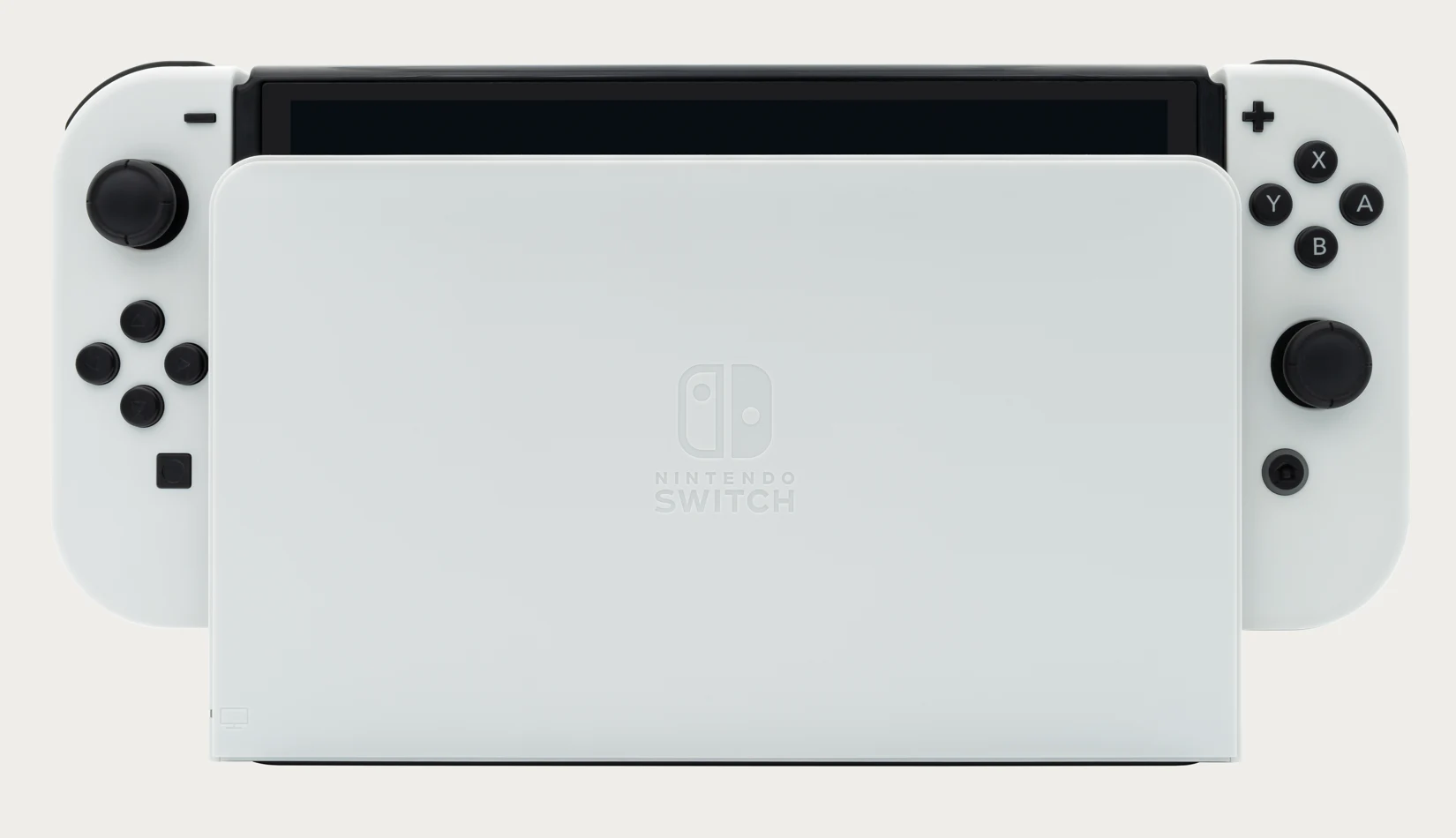
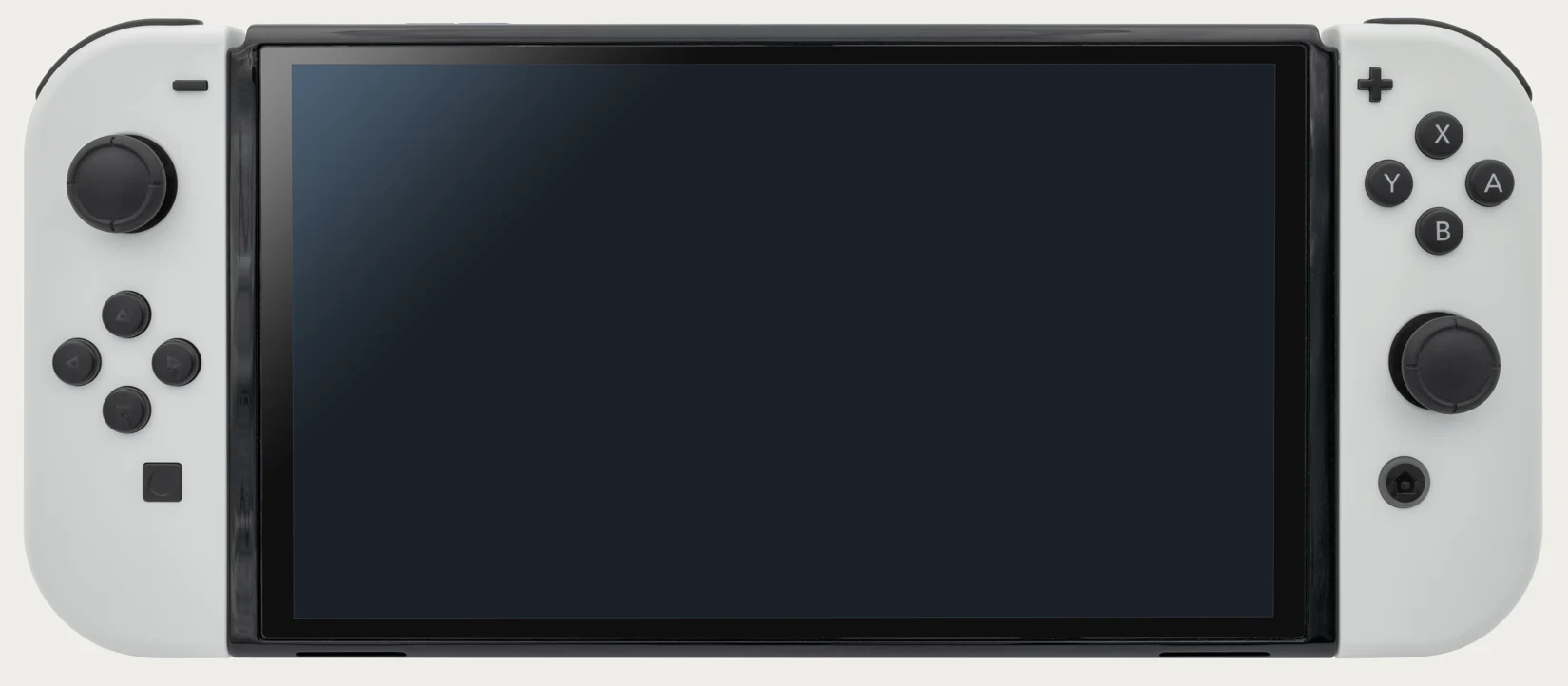
The OLED model increases the original Switch’s handheld display to seven inches. Dark scenes benefit from an OLED panel’s ability to turn individual pixels off. Resolution in handheld mode remains 720p, so the improvement is primarily about panel quality and size.
Tabletop play feels better supported
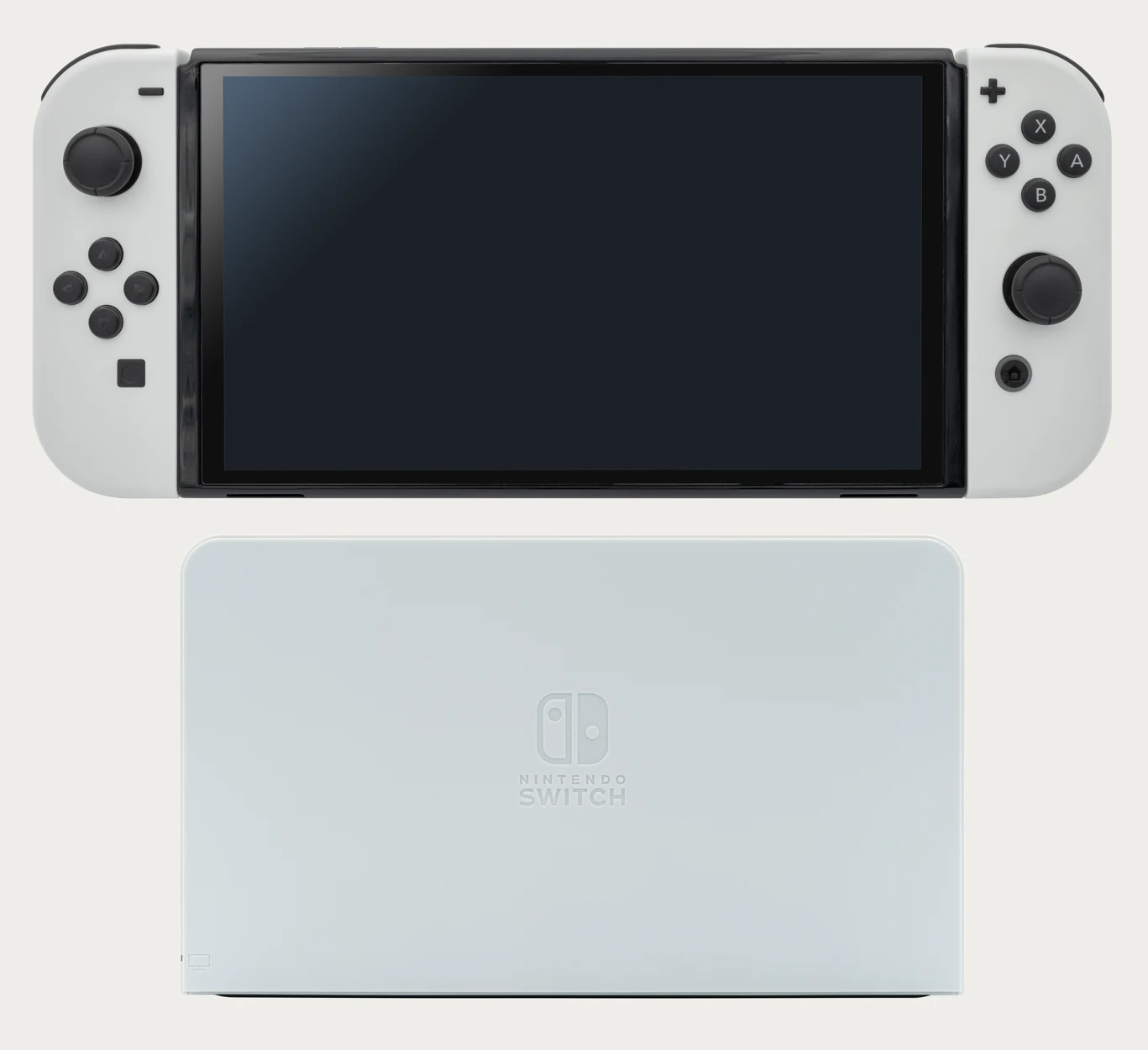
A wide adjustable stand is a practical improvement for short multiplayer sessions. Set the screen on a table, detach the Joy-Con controllers, and choose an angle. The dock includes a wired LAN port, which can simplify a TV setup if your router is nearby.
Price it against your actual library
If you mostly play on a TV, the OLED display spends most of its time hidden in the dock. Compare the cost with other hardware that plays the games you care about. On a used unit, test both controller sticks, confirm the dock works with a television and inspect the display for persistent marks on a plain background.
Pros
- 7-inch OLED handheld display
- Wide adjustable kickstand
- Dock with wired LAN
Cons
- Screen benefit is limited to portable modes
- Same handheld resolution as the original Switch
- Older platform with a different library from its successor
Who should buy it?
Players buying for the original Switch library who regularly play handheld or tabletop.
Verdict
The OLED model is the most attractive original Switch for handheld play when the asking price reflects its age and your game library is already a good fit.
Product gallery